
Neuro- ophthalmic evaluation
Neuro-Ophthalmic Evaluation at Srinivasa Neurologics
Advanced Assessment of Vision and Nervous System Function
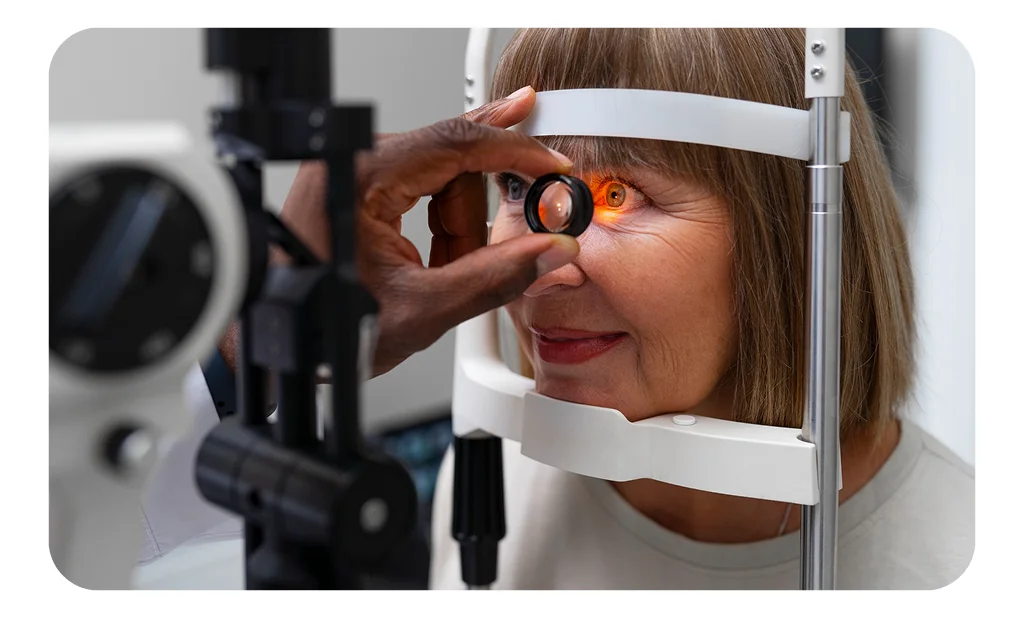
Neuro-ophthalmic evaluation is a specialized diagnostic process that focuses on the relationship between the eyes, brain, and nerves controlling vision and eye movement. This evaluation helps detect and manage disorders that affect visual function due to neurological causes, such as optic nerve disease, brain lesions, or cranial nerve dysfunction.
At Srinivasa Neurologics, we provide comprehensive neuro-ophthalmic assessments using advanced diagnostic tools and technology. Under the expertise of Dr. R. Srinivasa and our experienced team, we ensure precise evaluation, accurate diagnosis, and personalized treatment planning to safeguard and restore visual and neurological health.
Conditions That May Require Neuro-Ophthalmic Evaluation
Optic Neuritis – Inflammation of the optic nerve causing vision loss or eye pain.
Papilledema – Swelling of the optic disc due to increased intracranial pressure.
Visual Field Defects – Partial loss of vision caused by brain or optic pathway damage.
Double Vision (Diplopia) – Misalignment of the eyes due to cranial nerve palsy or muscle weakness.
Nystagmus – Involuntary, rapid eye movements resulting from brainstem or cerebellar dysfunction.
Unexplained Vision Loss – Vision changes without detectable ocular disease, suggesting neurological causes.
Tumors or Stroke Affecting Vision – Brain lesions impacting visual pathways or eye movement control.
Evaluation and Diagnostic Services We Offer
Comprehensive Eye and Neurological Examination – Assessment of vision, eye movements, reflexes, and nerve function.
Visual Field Testing – Measures peripheral vision to detect nerve pathway defects.
Optical Coherence Tomography (OCT) – Imaging of the optic nerve and retina to evaluate structural changes.
Visual Evoked Potentials (VEP) – Measures electrical activity from the visual cortex to assess optic nerve integrity.
Cranial Nerve Assessment – Evaluates nerve function controlling eye movement and pupil response.
Neuroimaging Correlation – Integration of MRI/CT findings with visual symptoms for accurate localization.
Comprehensive Reporting & Recommendations – Expert analysis with detailed findings to guide further management.
Benefits of Neuro-Ophthalmic Evaluation
Early Detection of Neurological Vision Disorders – Identifies underlying brain or nerve causes of vision problems.
Accurate Diagnosis – Differentiates between eye-related and brain-related visual disorders.
Targeted Treatment Planning – Helps guide medications, therapies, or surgical interventions based on findings.
Enhanced Quality of Life – Timely diagnosis and management improve vision and prevent further deterioration.
Integrated Care – Combines neurological and ophthalmic expertise for comprehensive patient management.
Why Choose Srinivasa Neurologics?
Expert Neurologists & Diagnostic Specialists – Highly skilled in evaluating complex visual-neurological conditions.
Cutting-Edge Technology – Advanced imaging and electrophysiologic tools for precise assessment.
Comprehensive Approach – Merging neurological and ophthalmic findings for holistic diagnosis.
Patient-Centered Evaluation – Safe, comfortable, and supportive environment for all age groups.
Trusted Expertise – Personalized care guided by years of experience in neurodiagnostics.
Clarity for Your Vision, Precision for Your Health
Neuro-ophthalmic evaluation plays a vital role in identifying visual disorders caused by neurological conditions. At Srinivasa Neurologics, we combine state-of-the-art diagnostics with clinical expertise to ensure accurate assessment and effective management.
Book your consultation today and take the first step toward preserving your vision and neurological well-being.
- Expert Evaluation on Neurological Disorders
- Epilepsy Treatment
- Movement Disorders
- Parkinson's Disease Treatment
- Stroke Treatment
- Neuromuscular Disorders
- Electrophysiologic Evaluation
- Headache & Migraine Treatment
- Ataxia and Disorders of Balance
- Autonomic Disorders
- Multiple Sclerosis and Demyelinating Disorders
- Insomnia
- Neuro-Ophthalmic Evaluation
- Brain Tumours
- Endoscopic Skull Base Tumour
- Endoscopic Transnasal Surgery & Transorbital Surgery
- Minimally Invasive Spine Surgery
- Endoscopic Spine Surgery
- Spinal Tumour Surgery
- Brain & Spine Tumour Surgery
- Paediatric Neurosurgery
- Microvascular Decompression Surgery
- Cerebrovascular Surgery
- Endovascular Neurosurgery
- Functional Neurosurgery
